The Shadow Seekers’ Dispatch, Ed. 11
In This Edition
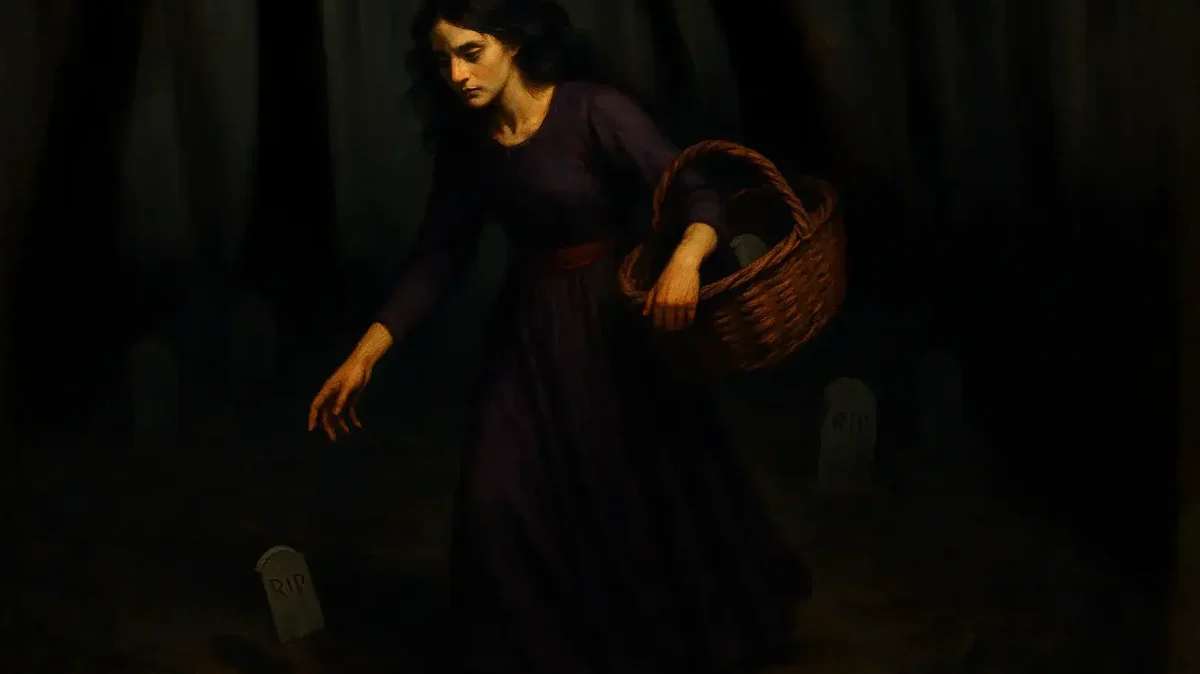
Let Death Be Death
Fall has arrived.
Things are dying.
That is not poetry. It is biology.
Leaves brown at the edges. Stems collapse. The garden stops pretending. The ground takes back what has finished its work.
You are made of the same pattern.
Some parts of you are finished too.
They did their work.
They carried their season.
An old role. An old fear. An old version of goodness. An old self who survived by staying quiet, agreeable, invisible, useful, numb.
She may have saved you once.
That does not mean she gets to run your life forever.
You do not build a stronger voice by dragging every old version of yourself behind you. You do not build confidence by embalming the parts of you that were built for another life. You do not become more whole by refusing to let anything end.
Some things need to rot.
That is not cruelty.
That is compost.
The mistake is carrying the dead thing forward and calling the weight loyalty.
This is where the Shadow gets misused.
You do not hand her your fear, your grief, your memory, and your unfinished endings like she is a basement storage unit. Your Shadow does not exist so you can avoid the burial.
She kept what you could not carry.
That is different.
When something is ready to die, your work is to name it. Witness it. Take what wisdom it earned. Then let the rest return to the soil.
Death is not always punishment.
Sometimes death is accuracy.
This no longer lives.
This no longer fits.
This no longer belongs in my hands.
Let death be death.
Stop dragging it forward.
From the Shop
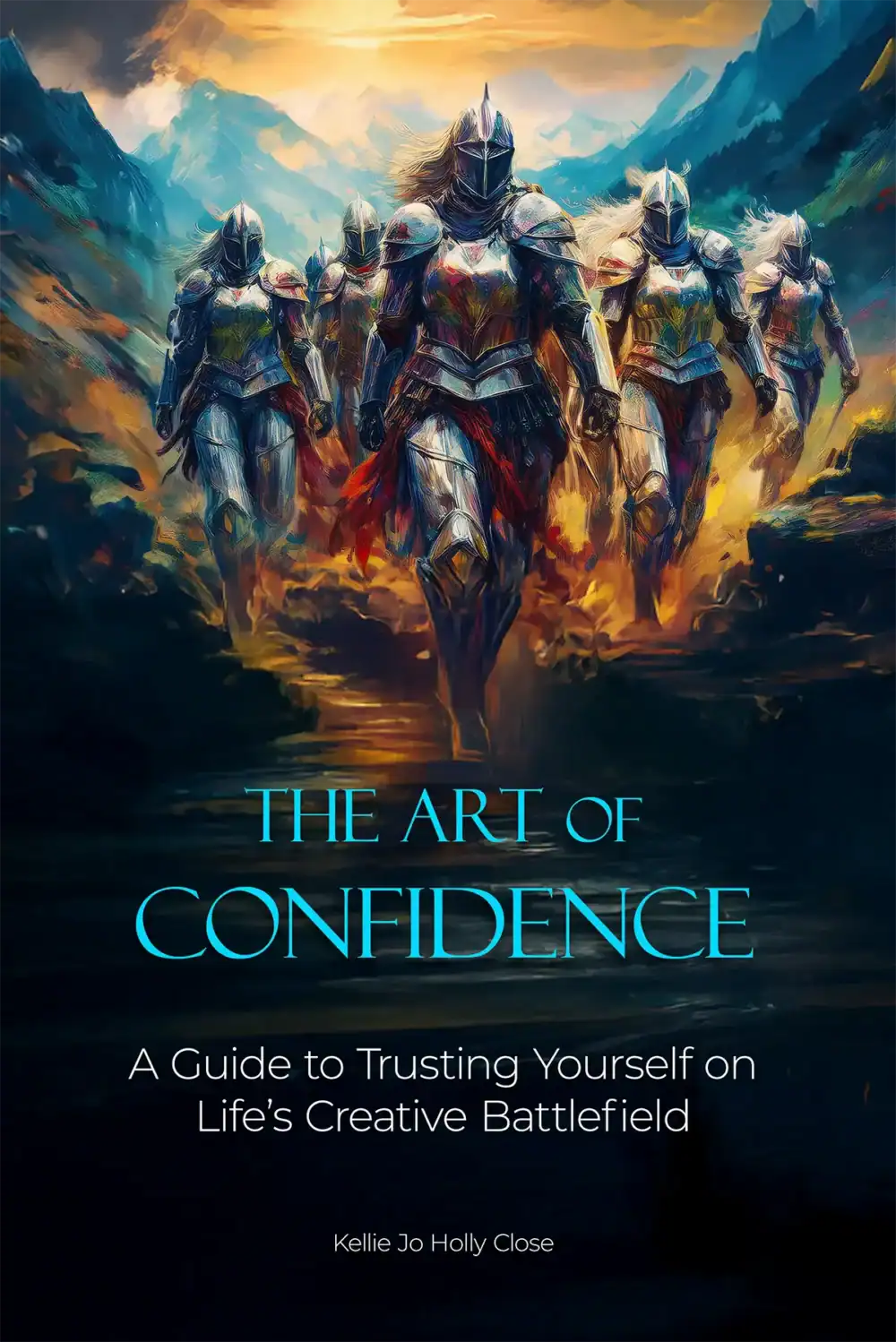
The Art of Confidence: A Guide to Trusting Yourself on Life’s Creative Battlefield
This workbook is for artists, Seekers, and survivors who are done shrinking.
Confidence is not decoration.
Self-trust is structural.
The Art of Confidence uses archetypes, creative prompts, reflection, and art-based practice to help you meet yourself where the old roles crack. It does not pat your head and tell you to sparkle through the collapse.
Small book. Sharp teeth.
It asks you to draw, write, notice, make marks, question the story, and build confidence from contact with what is real.
That matters here.
Letting something die creates a vacancy.
And when you do not choose what grows there, the old thing will try to climb out of the dirt.
Use the workbook when you are ready to build from the cleared ground.
Paperback and PDF available.
📖 $18.99 Paperback: https://amzn.to/3JpIG74
💻 $15.99 PDF: https://kelliejoart.com/art-of-confidence-trust-yourself/
You’ve Never Finished a Death
I came across a video recently that stayed with me.
The speaker said we are often tired because of what we are carrying now, and because of what we never finished burying.
That landed.
There are deaths nobody teaches us to bury.
Leaving home. Ending a relationship. Moving cities. Changing careers. Outgrowing a friendship. Losing a version of yourself that once made life survivable.
These are deaths.
They are quiet sometimes. They do not always tear the roof off. They do not always come with witnesses, flowers, paperwork, or a clean story people know how to receive.
But the body knows.
The body knows when home is no longer home. The body knows when a role has ended. The body knows when a future disappeared and everyone expected you to keep functioning like nothing fell through the floor.
When we refuse to acknowledge those deaths, they do not vanish.
They trail us.
Old selves. Old vows. Old loyalties. Old ways of staying safe that now keep us small.
Corpses that should have been buried.
Rot that starts eating the living.
Fall knows better.
Fall does not staple green leaves back onto dead branches. It does not dress decay in optimism. It lets the finished thing fall. It lets the ground receive it. It lets the hidden work begin.
That is the part we forget.
Rot feeds the ground.
So ask yourself:
What am I still carrying because I have mistaken its weight for devotion?
What ending have I refused to honor because honoring it would make it real?
What part of me deserves burial instead of punishment?
Do not rush the answer.
The dead hate being managed.
A Ritual for Letting It Die
Sometimes release needs ceremony.
A way to say:
This mattered.
This ended.
I am done carrying it forward.
The Ritual
For this ritual, you could work with amazonite, amethyst, and black cohosh as symbolic supports. Use what you have. Leave out what does not belong. The ritual gains no power from forcing objects onto the altar.
You will need:
- paper
- pen or pencil
- a small place to bury or safely discard the finished piece
- Amazonite, if you use stones
- Amethyst, if you use stones
- Black Cohosh, if you already work with herbs safely and externally
Do not ingest black cohosh. Do not burn it casually indoors. Do not use it on skin. Keep it away from children and pets. If you are pregnant, breastfeeding, managing a medical condition, or taking medication, do not use herbal materials without guidance from a qualified professional.
Symbolic work does not require you to poison yourself for ambiance.
We are a touch dramatic.
We are not stupid.
Step One: Name the Death
Write down what is over.
Be specific.
“My past” is too vague. Too slippery.
Name the role, belief, habit, identity, attachment, or fear.
Examples:
The version of me who stayed quiet to keep peace.
The fantasy that this relationship would become safe.
The belief that exhaustion proves my worth.
The old loyalty to people who benefited from my disappearance.
The need to keep proving I am not difficult.
Write one sentence:
This is the death I am here to witness: ________.
Step Two: Tell the Truth About What It Did for You
The dead thing may have served a purpose.
That is why letting it go gets complicated.
Write:
This once helped me by ________.
Maybe it protected you. Maybe it kept you employed. Maybe it kept you loved by people with narrow definitions of love. Maybe it helped you survive a room where honesty had consequences.
Tell the truth.
Do not romanticize it.
A cage can protect you from wolves and still be a cage.
Step Three: Name the Cost
Now write:
Keeping it alive now costs me ________.
Let the answer be ugly if it needs to be.
Peace. Voice. Sleep. Desire. Money. Time. Art. A body that does not brace every time the phone lights up.
Something can be understandable and still be too expensive to keep.
Step Four: Mark the Death
Draw an image of goodbye on the same page.
Do not make it pretty.
A grave. A cut cord. A fallen leaf. A door closing. A black line through an old name. A root returning to soil.
Let the mark be simple and final.
If you are using stones, place amazonite and amethyst beside the page while you work. Let them stand as witnesses to the release, not as magical janitors cleaning your emotional basement.
If you are using black cohosh, keep it contained. Let it symbolize banishment, clearing, and refusal. External only. Respect the material.
Step Five: Bury or Discard It
When the page feels complete, fold it.
Say:
You had your season.
You did your work.
You are no longer mine to carry.
Then bury it somewhere appropriate, or dispose of it in a way that feels clean and final.
Do not keep checking on it.
Do not dig it back up to see if you miss it.
You may miss it.
That does not mean it belongs in your arms.
Strengthen Your Resolve
These compositional elements can support the emotional structure of release. They do not replace action. They do not do the grieving for you.
They help hold the shape of the work.
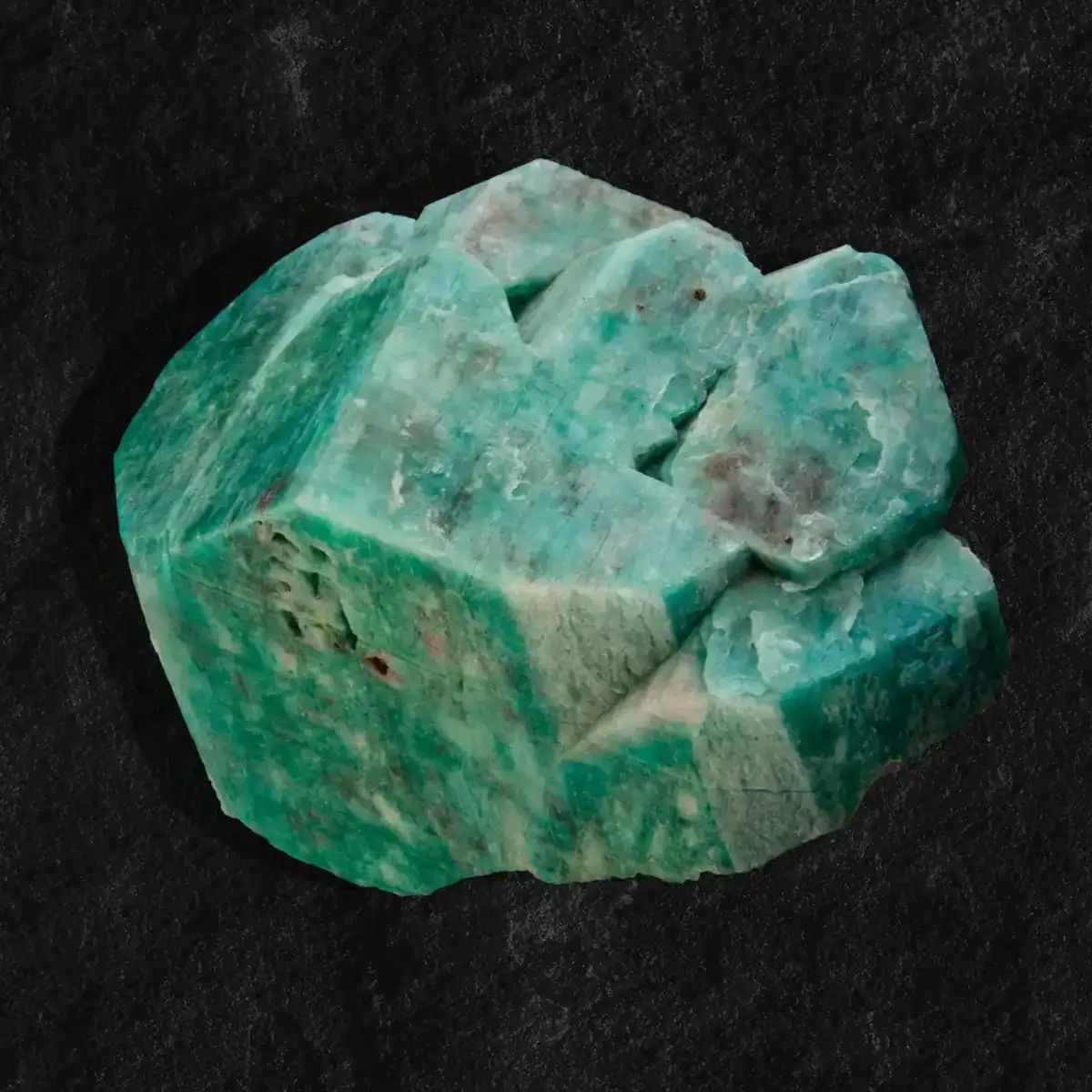
Amazonite
Amazonite steadies you through the discomfort of release. Letting go of an old version of yourself can feel unmooring, even when the release is necessary. Amazonite supports the part of you learning to remain steady while the familiar thing dies.
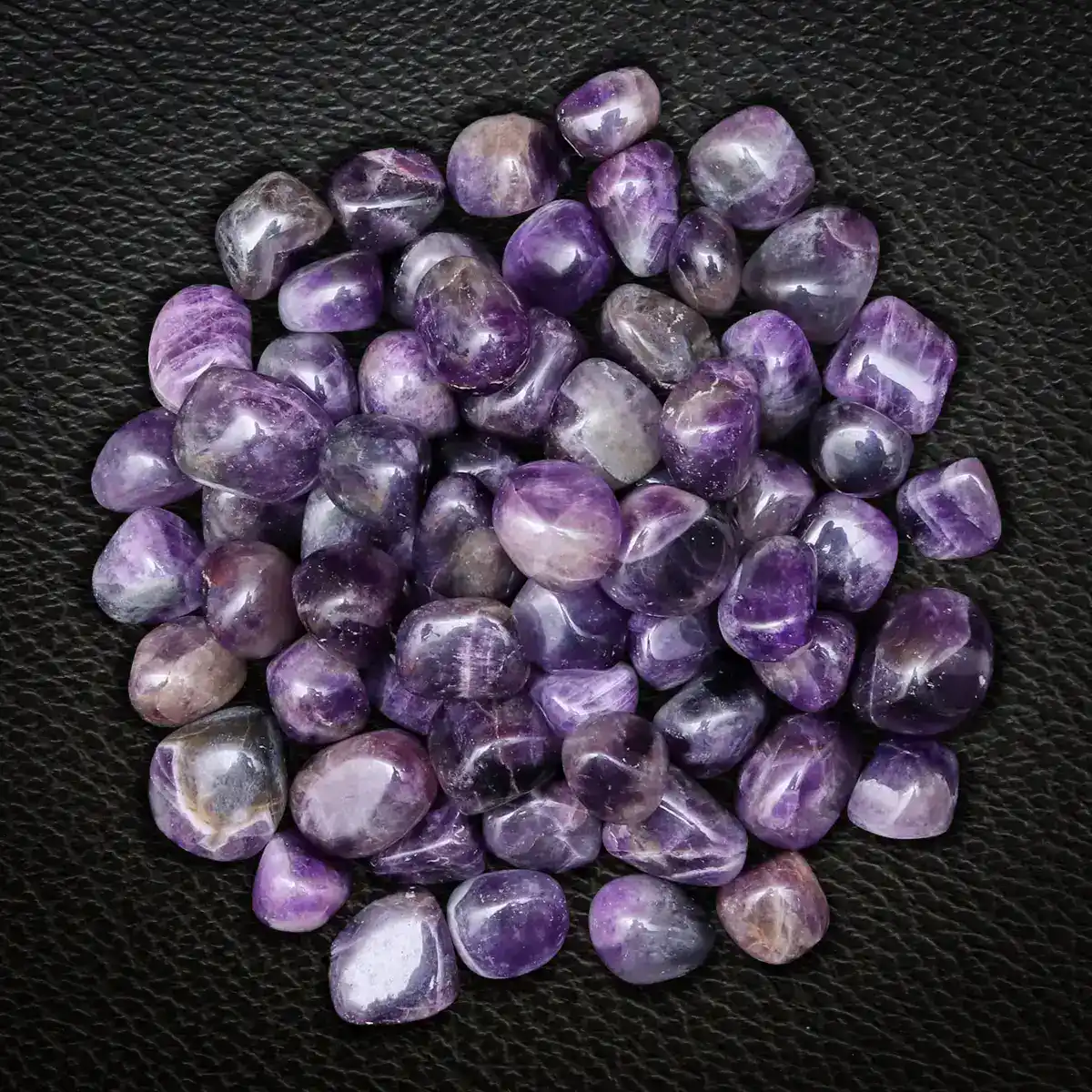
Amethyst
Amethyst brings calm, spiritual growth, stress relief, and sharpened intuition. Paired with amazonite, it supports clear awareness while you move through the strange quiet that follows an ending.
Black Cohosh
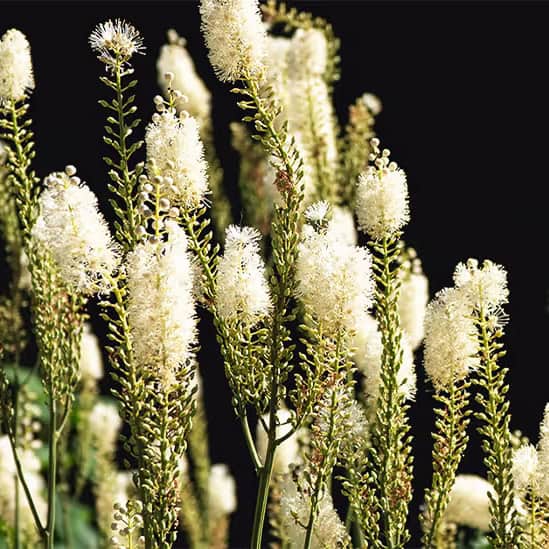
Black cohosh is used here as a symbolic ally for banishment and clearing. It helps mark the refusal to keep feeding what is finished.
Use it externally and cautiously. Do not ingest it. Do not treat it as medicine. Do not confuse symbolic use with medical advice.
The point is not to make the ritual elaborate. The point is to make the death real enough that you stop dragging it behind you.
Closing
Fall strips the branches and tells the truth.
Some things are finished.
You can keep hauling them forward. You can dress them in meaning, call them loyalty, call them “just how I am.”
But the body knows the difference between life and weight.
Let the dead thing have its grave.
Then turn back to what is still breathing.
In the work with you,

Kellie Jo Close
Artist & Author
For Women Who Want to Know Exactly What They Buried. And Why.
Kellie Jo Art | Pinterest | Amazon | Email